 PO Box 26214, Baltimore, MD 21210
 855-721-MDDC
 kberrier@mddcpress.com
5 Ways AI Is Quietly Making Newspaper Ad Sales Smarter
When people talk about AI in advertising, the conversation usually goes straight to flashy tools, automated content, or doomsday predictions about jobs disappearing.
When people talk about AI in advertising, the conversation usually goes straight to flashy tools, automated content, or doomsday predictions about jobs disappearing.

If you’ve spent any time in marketing over the past decade, you’ve heard the phrase “multi-channel strategy” more times than you can count. It’s become one of those buzzwords that everyone agrees sounds important—but not everyone fully understands.
Most marketing plans do not fail because of bad ads, weak platforms, or the wrong tools. They fail long before any campaign goes live. The breakdown usually happens at the planning stage, when businesses confuse activity with strategy and motion with direction.
Lead generation is often treated as a numbers game. More leads mean more opportunity. At least that is the assumption. In reality, more leads often create more problems.
Sales teams spend time chasing unqualified prospects. Follow-ups go unanswered. Conversion rates drop. Marketing and sales blame each other. The pipeline looks full, but revenue does not follow.
If you’ve ever opened TikTok “just for a minute” and then looked up an hour later wondering what happened, you’re not alone. You felt it—the pull, the rhythm, the uncanny sense that the app knew exactly what you wanted next. From a technical standpoint, it’s impressive. From a human standpoint, it’s a little unsettling. And from a marketing standpoint? It’s fascinating.
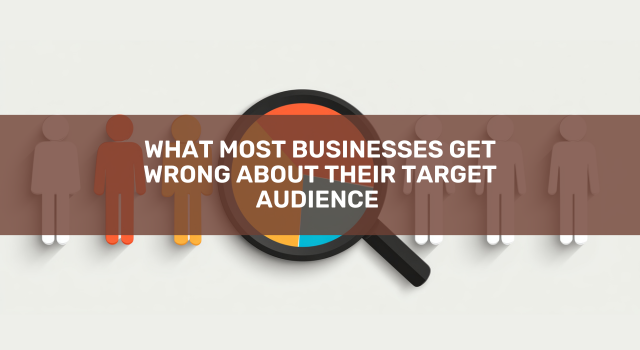
Ask most businesses who their target audience is, and you will get a confident answer. Age range. Gender. Income level. Job title. Location. On paper, it looks thorough. In reality, it explains very little.

There is a reason businesses are often proud of their marketing while being disappointed by the results. Marketing that looks good and marketing that works are not the same thing.
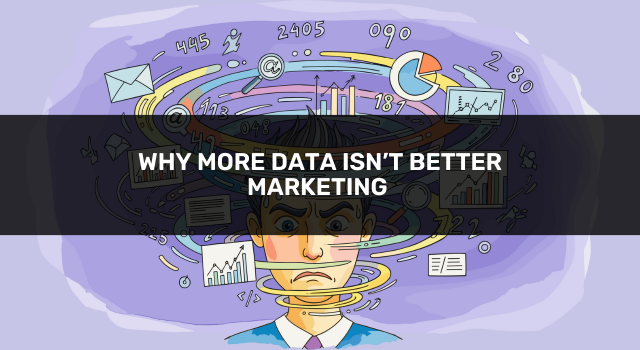
Marketing has never had more data than it does right now.
Dashboards are packed with metrics. Reports grow longer every month. Every platform promises deeper insights and more precision.
And yet, decision-making feels harder than ever.
More data does not automatically lead to better marketing. In many cases, it slows it down.
“Set it and forget it” might be the most misleading promise in modern advertising.
It sounds efficient. It sounds scalable. It sounds like technology finally figured out how to make marketing easy.

Every business works with vendors.
That’s not a weakness—it’s the reality of modern business.
Marketing agencies rely on platforms, publishers, ad tech, software providers, printers, freelancers, consultants, and distribution partners. Retailers rely on suppliers and logistics companies. Service businesses rely on tools, contractors, and specialists. No organization operates in a vacuum.