 PO Box 26214, Baltimore, MD 21210
 855-721-MDDC
 kberrier@mddcpress.com
How To Grow On Instagram According To Instagram’s CEO
If you spend any time talking with marketers, sales teams, or media professionals, one thing becomes obvious quickly: everyone wants more reach on Instagram.
If you spend any time talking with marketers, sales teams, or media professionals, one thing becomes obvious quickly: everyone wants more reach on Instagram.
If you’ve ever opened TikTok “just for a minute” and then looked up an hour later wondering what happened, you’re not alone. You felt it—the pull, the rhythm, the uncanny sense that the app knew exactly what you wanted next. From a technical standpoint, it’s impressive. From a human standpoint, it’s a little unsettling. And from a marketing standpoint? It’s fascinating.
There is a simple reality in modern marketing. Attention is the currency that decides whether your message connects or disappears. It is the difference between campaigns that move people to act and campaigns that blend into the scroll.
You cannot buy attention the way you used to. Big budgets and big impressions once guaranteed visibility. Today they only guarantee a chance. People skip ads without looking at them. They scroll past posts within seconds. Your audience is moving fast, and if you are not creating something that stops them for even a moment, the spend does not matter.

If you’ve spent any time managing social media accounts, you’ve probably wrestled with the hashtag debate. Should you use three hashtags or thirty? Does more equal better reach? Is there a magic list that guarantees virality? And, most important, does any of this actually move the needle for your brand?

Why the Future of Growth Is Evolving from a Funnel to a Loop
For years, the marketing funnel has guided how businesses attract, nurture, and convert customers. It’s been the framework behind everything from inbound content to performance ads. And it still works—just differently than it used to.
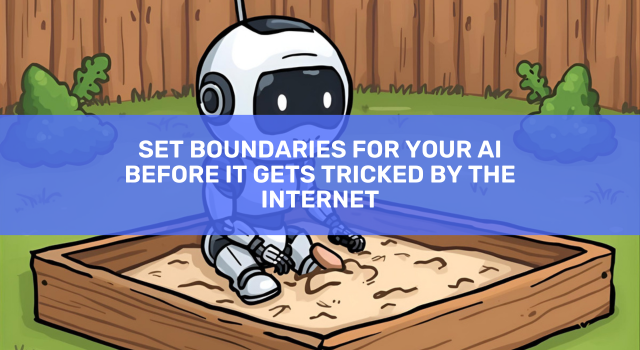
You’ve trusted your AI with your passwords, your calendar, and your personality—but if you’re letting it browse the web, you might be giving it a little too much freedom. The moment your AI gets access to websites, buttons, and forms, it’s basically out there wandering the digital streets alone. And just like an intern with too much initiative, it can get talked into some bad ideas fast.
Artificial Intelligence (AI) is no longer just a Silicon Valley buzzword—it’s the most important tool shaping how small businesses and local media companies work, sell, and grow. But here’s the problem: keeping up with AI often feels like you need a PhD in computer science or eight spare hours to watch a course.

If you’re creating fresh content nonstop, grinding out blog after blog, video after video, you’re likely exhausted—and frankly, you’re working harder, not smarter. Here’s the truth: The secret to successful marketing isn’t about producing endless new material. It’s about maximizing what you already have.

Let’s call out the giant social elephant in the room: mastering the social media game isn’t just about creating great content—it’s about knowing exactly what works best. But there’s one massive challenge marketers often face: how do you test multiple video versions without being penalized by platform algorithms?

If you’ve ever used the words branding and marketing interchangeably, you’re not alone. But here’s the truth:
Branding is why. Marketing is how.